
What should patients know about UMI Clinic?
UMI describes a structure-first approach to facial assessment in Jung-gu, Seoul. Its published menu separates lifting, threads, dermal fillers, skin rejuvenation injections, lasers, advanced skin care and botulinum toxin. Ultherapy, Thermage FLX, Titanium, ONDA, Potenza and Rejuran appear on its international site. This breadth allows a patient to discuss skin texture separately from structural facial change.
A layered facial menu
UMI separates thread lifting, volume and dermal fillers, and injectable skin rejuvenation into different categories. Botulinum toxin is presented under muscle balance. This structure makes the intended target of a proposal easier to discuss.
Skin devices and aftercare categories
The site names Potenza and laser-based care alongside advanced skin care and Rejuran. Its focus on Jung-gu and Myeongdong makes branch and travel confirmation straightforward for visitors staying in central Seoul.
Discuss firmness and facial structure
Ask the clinician to separate laxity, loss of volume and surface texture. A device aimed at one layer will not necessarily address all three. Request the proposed treatment map, the reason for choosing that device and the areas that should be avoided. If your face is already lean, discuss how the plan accounts for facial fat and whether a conservative approach is preferable. Photographs taken in consistent light are more useful than a promise of an immediate transformation. Ask when the first review should occur and when the final result can reasonably be judged.
Structure-first consultation in Myeongdong
UMI’s international website describes a structure-first assessment and identifies Dr. Jong-Woo Yoon as its lead aesthetic physician. Its treatment categories separate facial volume, lifting, skin quality and contouring. Use that framework to ask what is responsible for the change you see and whether the proposed intervention is intended to add volume, address laxity or improve the skin surface.
Read the evidence: International clinic website
Compare the proposed methods and follow-up
The clinic lists ultrasound and radiofrequency devices, threads, fillers and injectable skin treatments. These options should be discussed as different interventions rather than interchangeable routes to one result. Ask which clinician will perform each step and what review is planned if several are combined. The website describes English-language consultations and international patient support; confirm the arrangements needed for your appointment before booking.
Read the evidence: International clinic website
Ask what the structural assessment means for your goal
For a U.S. visitor considering UMI, describe whether the concern is texture, expression, volume or laxity. Ask how the clinic's facial assessment leads to the proposed choice and whether a less invasive or no-treatment option is reasonable. Bring records of existing filler and prior tightening procedures. A combination of services should be explained component by component, with exact products, treated areas and review plans. Before departure, request the information a clinician at home would need to assess a delayed concern; do not rely solely on a package name or a before-and-after image.
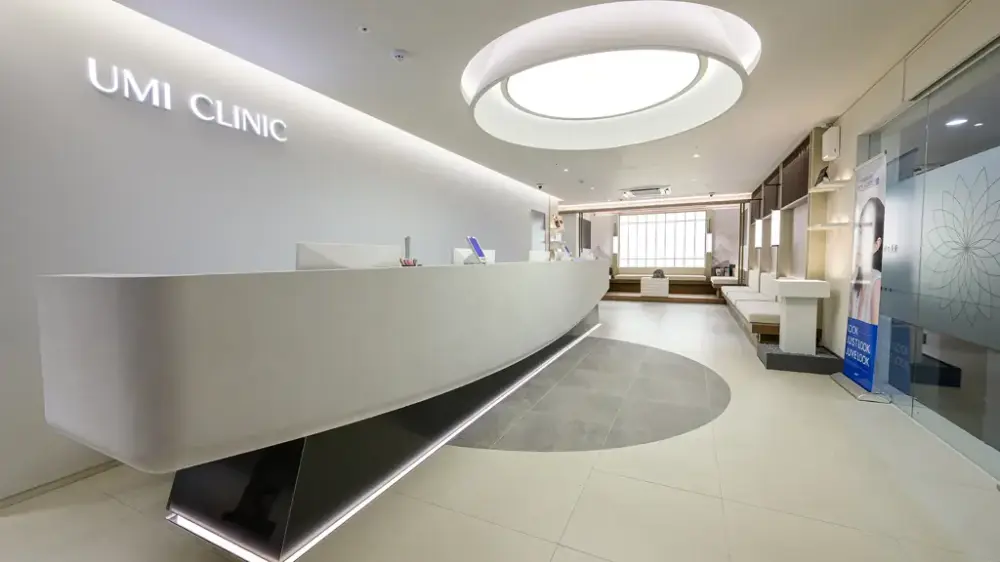
Inside the clinic
Patient questions
What services does UMI Clinic list?
UMI separates thread lifting, volume and dermal fillers, and injectable skin rejuvenation into different categories. Botulinum toxin is presented under muscle balance. This structure makes the intended target of a proposal easier to discuss.
How does UMI organize facial treatment options?
UMI separates lifting, thread procedures, volume and fillers, injectable skin rejuvenation and toxin-based muscle treatment. That structure helps clarify whether a proposed intervention targets skin quality, volume or movement.